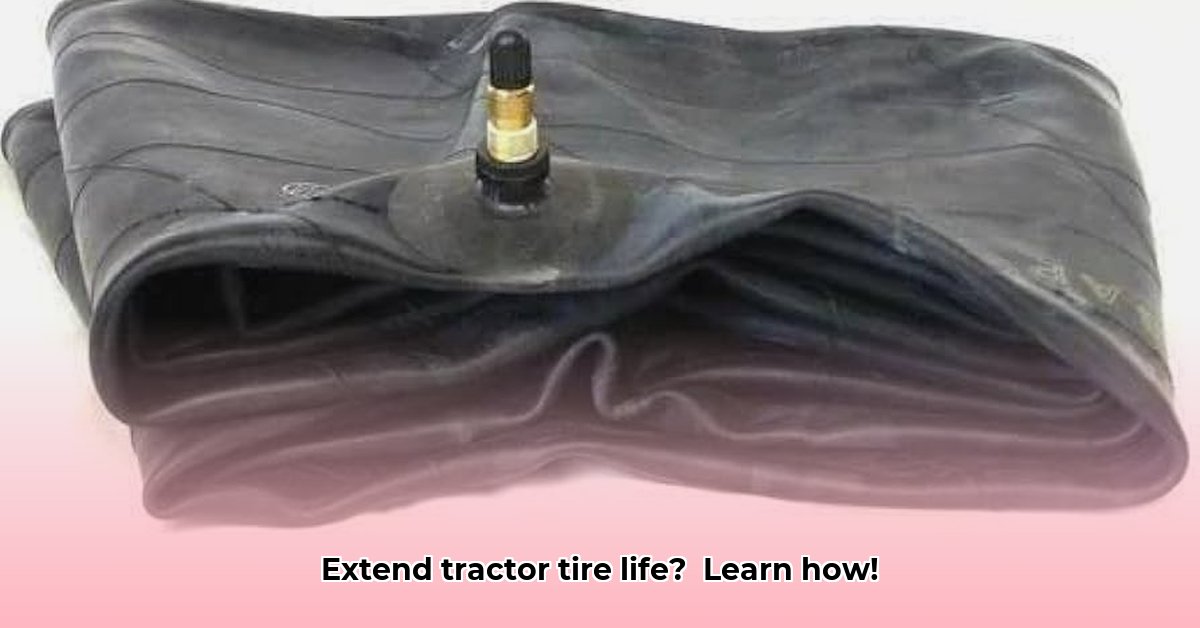
Farming demands resilience, and that includes the often-overlooked components of your machinery: large tractor tire inner tubes. These essential parts face significant challenges concerning lifespan, cost, and environmental impact. Replacing them is expensive, and discarded tubes contribute significantly to landfill waste. But this needn't be the status quo. For more information on sustainable options, check out this helpful resource: Learn More. This guide empowers farmers, manufacturers, and policymakers to improve the sustainability and longevity of these crucial components, fostering a more cost-effective and environmentally responsible agricultural future.
Understanding the Problem: A Costly and Wasteful Reality
The high cost of replacing large tractor tire inner tubes is a significant burden on farmers. A single replacement can run into hundreds, even thousands, of dollars, a blow to any budget. Beyond the direct financial impact, the disposal of these used tubes represents a substantial environmental problem. Landfills overflow with discarded rubber, contributing to environmental pollution and resource depletion. This isn't merely a matter of waste; it's a challenge impacting both profitability and sustainability in agriculture.
Choosing Sustainable Options: Materials and Manufacturers Matter
Selecting sustainable inner tubes involves careful consideration of materials, brands, and features. The upfront cost may be a factor, but the long-term sustainability and cost savings of a more durable, environmentally friendly tube outweigh the initial expense.
Natural Rubber: While a renewable resource, harvesting practices must be sustainable to avoid deforestation. Look for certifications ensuring responsible sourcing. Natural rubber offers excellent elasticity and wears well, but price fluctuations can occur.
Synthetic Rubber: Derived from petroleum, synthetic tubes have a higher carbon footprint during production. While often less expensive initially, their resistance to certain damage types may make them preferable in demanding conditions. A life-cycle analysis can aid in decision-making.
Recycled Rubber: Utilizing recycled rubber scraps reduces landfill waste and material demand. While potentially less durable than new tubes, the environmental benefits are significant. The balance between reduced cost and longevity needs careful consideration for your specific farming needs.
Choosing reputable manufacturers with a commitment to sustainable practices is paramount. Examine their websites and seek out certifications indicating responsible sourcing and ethical manufacturing processes.
Extending Inner Tube Lifespan: Practical Maintenance and Repair
Extending the lifespan of existing inner tubes is crucial for cost savings and reduced environmental impact. Implementing these simple but effective maintenance techniques can significantly lengthen their service life:
Regular Inspections (Weekly): A thorough weekly inspection for cuts, punctures, bulges, or any signs of wear and tear is essential. Early detection prevents minor issues from escalating into costly failures.
Maintaining Correct Tire Pressure (Daily): Consistent monitoring and adjustment of tire pressure is paramount. Under-inflation leads to increased strain and damage, while overinflation increases the risk of bursting. Invest in an accurate pressure gauge and maintain consistent monitoring.
Avoiding Harsh Terrain (Whenever Possible): Careful navigation and avoiding unnecessarily harsh terrain minimizes the risk of punctures and tears. Strategically planning routes can mitigate potential damage.
Prompt Repairs (Immediately): Small punctures can often be effectively repaired using tube patches or sealant. Delaying repairs leads to more significant damage and higher repair costs.
These preventative actions, although simple, dramatically extend the working life of inner tubes and reduce replacement frequency.
The Future of Sustainable Inner Tubes: Emerging Technologies
Innovation in materials and manufacturing is paving the way for even more sustainable inner tubes:
Bio-based Rubber: Research into using renewable resources like plants in creating more environmentally friendly rubber compounds is advancing rapidly. These bio-based materials could revolutionize the industry.
Compostable Materials: The development of compostable inner tubes represents a significant long-term goal. While still under development, this could eliminate landfill waste entirely.
Advanced Recycling Technologies: Improving recycling processes and making the process more economically viable will significantly increase the use of recycled rubber, thereby minimizing the demand for new materials.
These emerging technologies will offer increasingly sustainable and long-lasting options in the years to come.
Policy and Regulation: Driving Sustainable Practices
Governments and policy-makers play a vital role in promoting sustainable practices within the agricultural sector:
Incentivizing Sustainable Choices: Providing financial incentives (tax breaks, subsidies) for farmers to adopt eco-friendly tubes encourages wider adoption of superior products.
Enhancing Waste Management: Regulation and infrastructure improvements for the proper disposal of worn-out inner tubes are essential for minimizing environmental impact.
Investing in Research & Development: Increased funding for research into sustainable materials and manufacturing processes is crucial for innovation and the development of environmentally sound, affordable options.
Collaboration among farmers, manufacturers, and policymakers is vital to creating a more sustainable and environmentally responsible agricultural future. By working together, we can significantly reduce the environmental footprint of large tractor tire inner tubes and build a more resilient and sustainable agricultural sector.